
Rescue dogs are often misunderstood, yet they can be some of the most loyal, intelligent, and loving companions when given the right support. However, many of these dogs come from backgrounds involving neglect, abandonment, trauma, or inconsistent early training, which can significantly impact their behaviour and emotional wellbeing.
Because of this, rescue dog behaviour training is often very different from standard obedience training. Traditional methods alone are usually not enough to address deep-rooted fear responses, anxiety, or reactivity commonly seen in adopted dogs.
This is where professional rescue dog behaviour training in Gold Coast becomes essential — a specialised, science-based approach that focuses not only on commands, but also on emotional recovery, trust-building, and long-term behaviour rehabilitation.
At Master of Puppies (Gold Coast), we specialise in helping rescue and adopted dogs transition into safe, stable home environments using humane, positive reinforcement training methods designed to create lasting behavioural change.
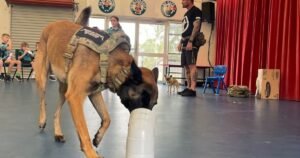
Rescue dog behaviour training is a structured, science-based training approach designed specifically for dogs that have been adopted from shelters, foster care, or unstable and unpredictable environments.
At Master of Puppies, we specialise in this type of training to help dogs build confidence and stability.
Unlike basic obedience training, this method goes beyond commands and focuses on addressing the underlying emotional and behavioural challenges that rescue dogs often experience due to past trauma or lack of early socialisation.
The primary goal of rescue dog behaviour training in Gold Coast is to help dogs feel safe, secure, and understood so they can learn and respond positively in everyday situations.
This training typically focuses on:
- Emotional regulation and stress management
- Fear and anxiety reduction in new environments
- Trust-building between dog and owner
- Behaviour modification using positive reinforcement (not punishment)
- Safe socialisation with people, dogs, and new environments
This approach is not about controlling the dog’s behaviour through force or dominance. Instead, it is about helping the dog rebuild confidence so learning becomes possible again in a calm and supportive way.
Common Behaviour Issues in Rescue Dogs

Rescue dogs often display behavioural challenges that can feel confusing or overwhelming for new owners. These behaviours are not signs of a “bad dog” — they are usually rooted in past experiences, stress, or lack of early socialisation.
In rescue dog behaviour training, understanding these issues is the first step toward effective rehabilitation and long-term behaviour change.
1. Separation Anxiety
Many rescue dogs struggle when left alone. This may include excessive barking, pacing, destructive behaviour, or panic responses. In severe cases, the dog may become highly distressed even during short absences. Structured separation anxiety training can help reduce stress and improve a dog’s ability to cope with time alone.
2. Aggression or Reactivity
Some rescue dogs may react strongly to certain triggers such as other dogs, strangers, or specific environments. This can include growling, lunging, barking, or fear-based biting. This behaviour is often rooted in fear rather than dominance and may benefit from specialised aggressive dog training in Gold Coast focused on behaviour modification and confidence building.
3. Fearfulness
Fear is one of the most common issues seen in adopted dogs. Triggers may include:
- Loud noises (fireworks, traffic)
- Unfamiliar people (especially men or visitors)
- Other dogs or animals
- Sudden movements or changes in environment
4. Poor Social Skills
Some rescue dogs have not had the opportunity to learn appropriate social behaviour with humans or other dogs. This can result in overexcitement, avoidance, or inappropriate interaction styles. Structured socialisation exercises, similar to those used in puppy training programs, can help dogs develop more appropriate and confident interactions.
5. Resource Guarding
This occurs when a dog becomes protective over food, toys, bedding, or personal space. It is typically a learned survival behaviour developed in environments where resources were limited or competition was high.
For more insight into rescue dog rehabilitation and behaviour training approaches, you can explore this resource:
Important Note
These behaviours are not “bad behaviour.” In most cases, they are survival-based responses developed in stressful or unstable environments. With structured rescue dog behaviour training in Gold Coast, these issues can be significantly improved through patience, consistency, and positive reinforcement methods.
Why Rescue Dogs Behave This Way

Understanding the “why” behind behaviour is essential for effective and lasting training outcomes. In rescue dog behaviour training, we don’t just look at the symptoms — we focus on the root cause of the behaviour.
Most behavioural challenges in rescue and adopted dogs develop due to a combination of past experiences and environmental factors, including:
- Past trauma, neglect, or abuse
- Lack of early socialisation during the critical puppy development period
- Stressful shelter environments or overcrowding
- Inconsistent or unpredictable human handling
- Fear-based learning patterns formed over time
Because of these experiences, many rescue dogs learn to respond to the world with caution, fear, or reactivity as a form of self-protection.
In rescue dog behaviour training in Gold Coast, the focus is on gently rewiring these fear-based responses using positive reinforcement, structured exposure, and behaviour modification techniques. This approach helps dogs gradually replace fear-driven reactions with calm, confident behaviours in real-world environments.
Our Approach at Master of Puppies (EEAT-Focused Training Philosophy)
At Master of Puppies, our approach to rescue dog behaviour training in Gold Coast is built on the principles of Experience, Expertise, Authoritativeness, and Trustworthiness (EEAT). This ensures every training program is ethical, science-based, and tailored to each dog’s individual needs.
Experience
We have extensive hands-on experience working with rescue dogs, reactive dogs, and complex behavioural cases. This includes dogs with fear-based aggression, anxiety disorders, and significant adjustment challenges after adoption.
Expertise
Our training methods are grounded in modern animal behaviour science. We use proven, humane techniques such as:
- Positive reinforcement training
- Desensitisation protocols
- Counter-conditioning methods
- Behaviour shaping for long-term learning
These techniques help dogs learn new behaviours without fear or stress.
Authoritativeness
We specialise in real-world behavioural rehabilitation, not just basic obedience training. Our work covers everything from young puppies to highly anxious rescue dogs requiring structured behavioural intervention.
Trustworthiness
We are committed to ethical, force-free training methods. We do not use fear, punishment, or dominance-based techniques. Instead, we focus on building trust, confidence, and a positive learning environment for both dogs and their owners.
Rescue Dog Anxiety Training
One of the most common behavioural challenges we address in rescue dog behaviour training in Gold Coast is separation anxiety and generalised anxiety in adopted dogs.
Anxious rescue dogs may display a range of stress-related behaviours, including:
- Constant pacing or restlessness
- Excessive barking or vocalisation
- Destructive behaviour when left alone
- Over-attachment or clinginess to owners
- Panic responses when separated or during routine changes
These behaviours are not intentional misbehaviour — they are usually signs that the dog is struggling to feel safe and secure in their environment.
Our Training Approach
Our rescue dog anxiety training method focuses on reducing emotional stress and rebuilding confidence through structured, gradual training techniques, including:
- Controlled desensitisation to anxiety triggers
- Establishing safe space and calm-zone routines
- Structured alone-time training to reduce separation stress
- Confidence-building exercises in real-world environments
Training Goal
The goal is not to suppress or punish anxiety-related behaviours. Instead, we focus on helping the dog develop a sense of security, predictability, and emotional stability so they can respond calmly in everyday situations.
Rescue Dog Aggression Behaviour Help
Aggression in rescue dogs is most commonly fear-based rather than dominance-based. These behaviours are often a learned response to past trauma, uncertainty, or situations where the dog felt threatened or unsafe.
In rescue dog behaviour training in Gold Coast, addressing aggression requires a structured, calm, and science-based approach that prioritises both safety and long-term behaviour change.
Our Rescue Dog Aggression Behaviour Help Program Focuses On:
- Identifying specific triggers that cause reactive or aggressive responses
- Safely managing reactivity in real-world environments
- Teaching calm, alternative behaviours to replace aggressive reactions
- Controlled exposure to stress-inducing situations in a gradual way
- Educating owners on correct handling, timing, and communication techniques
Safety & Trust First Approach
Safety is always our top priority — for both the dog and the owner. We never rush the process. Instead, we focus on gradually reducing fear responses while rebuilding trust, emotional stability, and confidence in the dog’s behaviour.
Training Rescue Dogs with Behaviour Issues (Step-by-Step System)
Every rescue dog is unique, which means effective rescue dog behaviour training in Gold Coast must always be tailored to the individual dog’s history, triggers, and emotional state. However, most successful rehabilitation programs follow a structured step-by-step process.
Step 1: Behaviour Assessment
We begin with a detailed behavioural assessment to understand the dog’s current state and underlying challenges. This includes evaluating:
- Specific triggers (people, dogs, environments, sounds)
- Living environment and daily routine
- Past history and background (where available)
- Body language patterns and stress signals
This step helps create a clear foundation for the training plan.
Step 2: Safety & Management Plan
Before any active training begins, we focus on safety and prevention strategies to reduce risk and avoid reinforcing unwanted behaviours. This includes managing environments and setting clear boundaries to prevent incidents.
Step 3: Foundation Training
Once the dog feels more stable, we introduce basic foundation skills such as:
- Focus cues (sit, stay, recall)
- Calm behaviour reinforcement
- Structured routines to build predictability
This stage helps establish communication and trust between dog and owner.
Step 4: Behaviour Modification
This is the core stage of rescue dog behaviour training, where we begin addressing the root behavioural issues using proven techniques such as:
- Desensitisation to triggers
- Counter-conditioning to change emotional responses
- Confidence-building exercises in controlled settings
Step 5: Real-World Practice
Finally, training is transferred into real-life environments such as parks, streets, and home settings. This ensures the dog can successfully generalise new behaviours in everyday situations.
Why Rescue Dog Behaviour Training in Australia Is in Demand
Across Australia, dog adoption rates continue to rise, particularly from shelters and rescue organisations. This positive shift in animal welfare has led to more dogs finding permanent homes, but it has also increased the demand for specialised behaviour support.
Many new owners are often not fully prepared for the emotional and behavioural challenges that rescue dogs may bring, including:
- Trauma-related behaviours from past experiences
- Adjustment periods in a new home environment
- Ongoing rehabilitation and behaviour support needs
Because of this, rescue dog behaviour training in Australia, especially in regions like the Gold Coast, has become an essential service for responsible pet ownership and long-term behavioural success.
Who This Rescue Dog Behaviour Training Is For
This rescue dog behaviour training in Gold Coast service is designed for owners who need structured, professional support in managing complex behavioural challenges in adopted or rescue dogs.
It is ideal for:
- New rescue dog owners adjusting to life with an adopted dog
- Dogs recently adopted from shelters, foster care, or rescue organisations
- Dogs with known or suspected trauma history affecting behaviour
- Reactive, fearful, or anxious dogs struggling in everyday environments
- Families experiencing ongoing behaviour challenges at home or in public spaces
Real Transformation (Example Scenario)
Every rescue dog starts their journey differently, but meaningful change is possible with the right structure, patience, and professional rescue dog behaviour training in Gold Coast.
For example, a rescue dog that once:
- Barked aggressively at strangers
- Refused to walk calmly on a leash
- Showed panic or distress when left alone
With structured behaviour training and consistent support, can gradually learn to:
- Walk calmly and confidently in public environments
- Respond reliably to basic cues and communication
- Feel safe, secure, and relaxed when left alone at home
- Build trust and a stronger bond with their owner
This transformation does not happen overnight. Behaviour change takes time, consistency, and the right training approach — but with professional guidance, it is absolutely achievable for most rescue dogs.
FAQs – Rescue Dog Behaviour Training
Q1: How long does rescue dog behaviour training take?
The duration of rescue dog behaviour training depends on the dog’s history, age, and the severity of behavioural challenges. Some dogs may show improvement within a few weeks, while others with deeper trauma or anxiety may require several months of structured training and consistency.
Q2: Can aggressive rescue dogs be trained?
Yes. Most aggression in rescue dogs is fear-based rather than dominance-based. With the right rescue dog behaviour training in Gold Coast, using structured behaviour modification, desensitisation, and safe exposure techniques, significant improvement is absolutely possible.
Q3: Is rescue dog training different from puppy training?
Yes. Puppy training mainly focuses on basic obedience and early learning. In contrast, rescue dog behaviour training often involves emotional rehabilitation, rebuilding trust, and addressing fear-based or trauma-related behaviours.
Q4: Do you use punishment-based training methods?
No. We exclusively use humane, science-based positive reinforcement training methods. Our approach focuses on trust-building, emotional safety, and long-term behavioural change rather than fear or punishment.
Q5: Can older rescue dogs still be trained?
Yes. Dogs of any age can learn new behaviours. With the right structure and consistent rescue dog behaviour training, even older rescue dogs can improve confidence, behaviour, and overall quality of life.
Conclusion
Rescue dogs are not “problem dogs” — they are dogs with a history that requires understanding, structure, and patience rather than punishment or frustration.
With the right professional dog training in Gold Coast, even highly anxious, fearful, or reactive dogs can develop into calm, confident, and well-adjusted companions. Behaviour change is a gradual process, but with consistent guidance and the correct training approach, long-term transformation is absolutely achievable.
At Master of Puppies, we believe every rescue dog deserves a second chance at a stable and happy life — and professional, humane training is what makes that transformation possible.
Call to Action
If you are struggling with your rescue dog’s behaviour, you don’t have to manage it alone.
Every dog is capable of change with the right guidance, structure, and support through professional rescue dog behaviour training in Gold Coast.
Book a professional behaviour consultation today
Receive a personalised training plan tailored to your dog’s needs
Start building a calmer, more confident, and well-balanced companion.
Master of Puppies team consists of experienced dog trainers and behaviour specialists based in Australia, with a strong focus on puppy training, rescue dog rehabilitation, and advanced behaviour modification.
We have extensive hands-on experience working with dogs of all temperaments, including fear-based aggression, separation anxiety, reactivity, and socialisation challenges.
Our training philosophy is built on humane, science-backed methods that prioritise trust, emotional safety, and long-term behavioural change. Our mission is to strengthen the bond between dogs and their owners through ethical and effective training practices.