
Real dog socialisation isn’t about how many dogs your pet has met — it’s about how calm and confident they stay when the world gets busy.
Is your dog truly socialised—or have they simply learned to play with other dogs? Many dog owners assume that regular visits to the dog park or off-leash beach are all their dog needs. In reality, Dog Socialisation Training Gold Coast is about much more than dog-to-dog interaction. It’s about helping your dog remain calm, confident, and responsive in a wide range of everyday situations—from passing another dog on a walk to meeting new people or exploring unfamiliar environments.
Healthy socialisation isn’t measured by how many dogs your pet meets. It’s measured by how well they cope with the world around them. A well-socialised dog can stay relaxed around distractions, communicate appropriately with other dogs, and recover confidently from new experiences without becoming fearful or overexcited.
On the Gold Coast, dogs are exposed to busy parks, beaches, cafés, walking trails, and community spaces every day. Without the right guidance, these environments can become overwhelming, leading to issues such as reactivity, anxiety, frustration, or poor manners around other dogs. That’s why structured Dog Socialisation Training Gold Coast focuses on building confidence, teaching appropriate social skills, and creating positive experiences that support long-term behaviour.
In this guide, we’ll explain what dog socialisation really means, how much social interaction dogs actually need, the most common socialisation mistakes owners make, and practical tips to help your puppy or adult dog become a calm, confident, and well-balanced companion.
Importance of Socialisation for Dogs
Socialisation is crucial for a dog’s development, shaping their personality and influencing behaviour throughout their lives. When dogs are exposed to various environments, people, and other animals early on, they learn to navigate the world with confidence and ease.
A well-socialised dog is more adaptable and less fearful of new experiences, helping prevent anxiety-driven behaviours like excessive barking or aggression. The benefits extend beyond comfort alone—socialisation also nurtures good manners and positive interactions with people and other dogs. You can learn more about managing over-arousal and improving calm behaviour in real-world situations in our guide on Dog Overexcited Around Other Dogs.
Dogs thrive on interaction. Engaging with fellow canines not only fulfills their instinctual need for companionship but also teaches them important communication skills through body language and play styles. Participating in a canine bootcamp is an excellent way to encourage these interactions in a structured, supportive environment.
Moreover, these interactions provide essential mental stimulation. Socially active dogs tend to be happier, more balanced, and enjoy healthier lifestyles overall. By prioritising socialisation, you’re not just training your dog—you’re setting the foundation for a joyful, fulfilling life together.
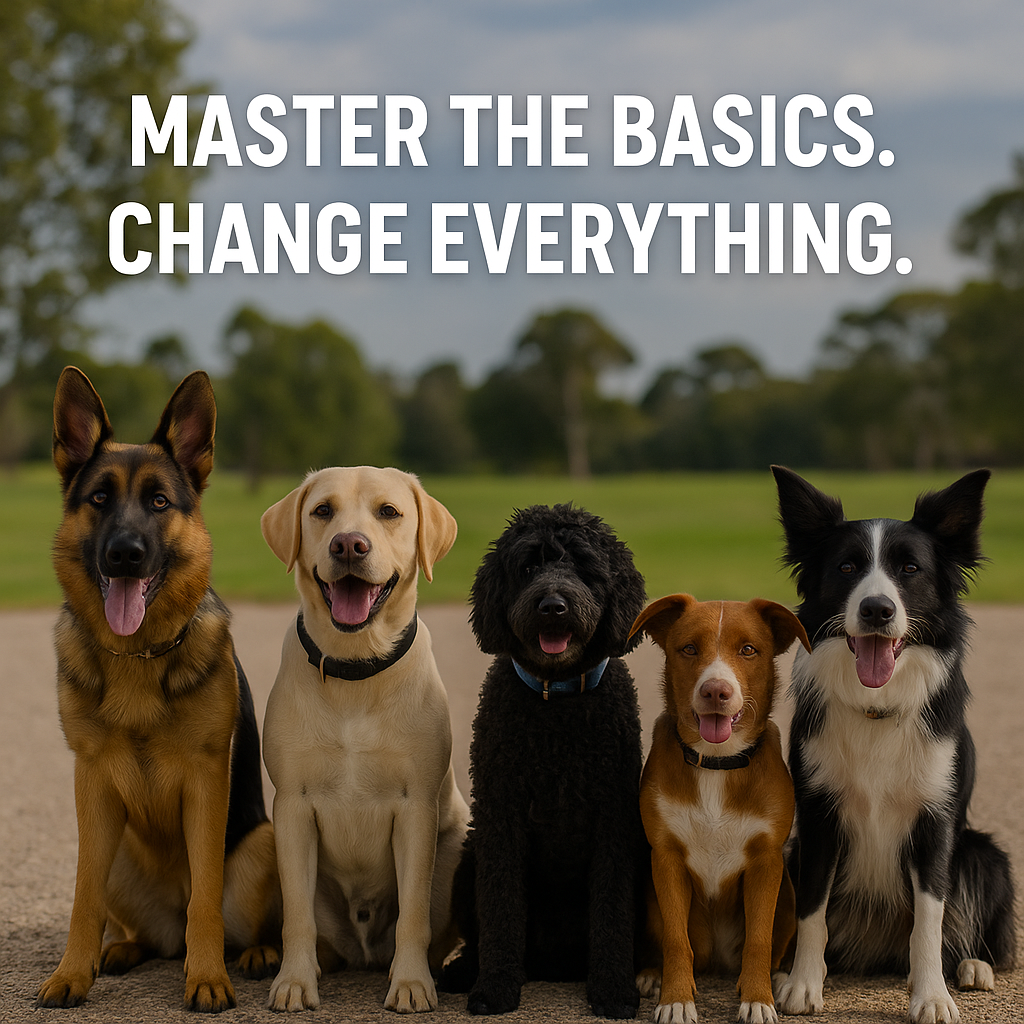
Understanding Dog Behaviour
Understanding dog behaviour is essential for effective socialisation. Dogs primarily communicate through body language, which can vary greatly between breeds and individual dogs. Recognising signals such as wagging tails or raised hackles helps you better interpret how they are feeling.
Playfulness is often shown through loose, wiggly body movements and playful barks. In contrast, a stiff posture or growling can signal discomfort or aggression. Observing these signs allows owners to anticipate reactions during interactions with other dogs.
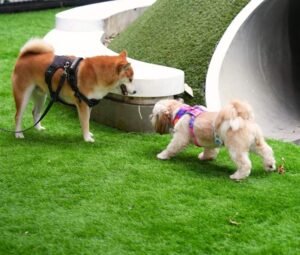
Social experiences play a significant role in shaping your dog’s behaviour. Early exposure to different environments, noises, and other animals fosters confidence. A well-socialised dog tends to be more adaptable in unfamiliar situations.
Remember that every dog has its own comfort zone. Some thrive in group play, while others prefer one-on-one time with familiar companions. Tailoring social opportunities to suit your dog’s personality helps ensure a positive experience for everyone involved.
Factors to Consider for Dog-to-Dog Socialisation in Gold Coast
When considering dog-to-dog socialisation on the Gold Coast, several factors come into play. First and foremost is your dog’s temperament. Some breeds are naturally more sociable, while others may be shy, anxious, or reactive around unfamiliar dogs and people. Every dog learns differently, which is why working with experienced dog trainers on the Gold Coast can help you develop a personalised socialisation plan that builds confidence safely and effectively.
Next, the age of your dog matters significantly. Puppies often benefit from early social experiences, while older dogs might prefer a slow introduction to new friends.
The environment you choose for socialisation is just as important as the interaction itself. Quiet parks, controlled training sessions, and calm public spaces are ideal for helping dogs build confidence without becoming overwhelmed. Starting in low-distraction environments allows your dog to develop positive experiences before gradually progressing to busier locations as their confidence grows. RSPCA Australia also highlights the importance of positive early socialisation experiences for puppies and dogs.
Health considerations should also not be ignored. Ensure vaccinations are up to date before exposing your pet to other dogs to prevent any potential illnesses.
Always monitor body language during interactions; signs of distress or discomfort can indicate it’s time to step back and reassess the situation.
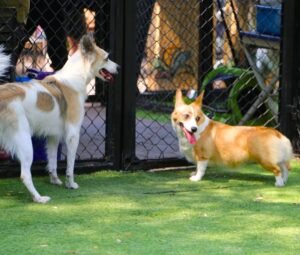
Tips for a Successful Dog-to-Dog Interaction
Creating positive dog-to-dog interactions begins with proper introductions. Always allow dogs to sniff each other while keeping the leashes loose, as this helps promote a calm and relaxed atmosphere.
Keep a close eye on your dog during play. Wagging tails and playful bows show a relaxed dog, while stiff postures or growling may indicate discomfort. Step in when necessary to ensure interactions remain safe and positive.
Choose neutral territory for meetings, like parks or open areas, where neither dog feels territorial. Keep initial interactions brief to avoid overwhelming them.
Reward good behavior with treats and praise during playtime. This reinforces positive experiences associated with socializing.
Gradually increase the duration of their interactions as they become more comfortable around each other. Patience is key; every dog has its own pace when it comes to socialization.
Always stay attentive and proactive, maintaining control over your dog to manage any potential conflicts that may arise during play sessions.
Alternatives to In-Person Socialisation
Not every dog flourishes in a group environment. Some dogs respond better to alternative methods of socialisation.
Consider virtual meet-ups or online training classes. These allow dogs to interact with others while remaining comfortable at home. It’s an innovative way to expose them to various sounds and sights without overwhelming them.
Interactive toys or puzzle games can also offer a form of social engagement. These stimulate your dog’s mind and mimic the problem-solving aspects they might encounter during face-to-face interactions. You can also explore our guide on How Much Does Dog Training Cost in Gold Coast to understand different training options and what may best suit your dog’s needs.
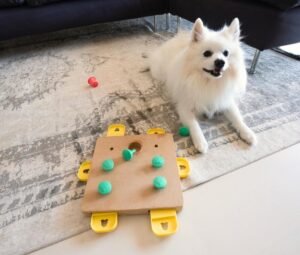
Doggy playdates can be held outdoors, allowing two dogs to enjoy each other’s company while maintaining personal space. Controlled environments help build confidence without the chaos often found in larger groups.
Consider scent work or agility courses designed for solo practice. They promote mental stimulation and keep your dog active, fostering skills that enhance future interactions with their peers.
Conclusion
When considering dog-to-dog socialisation in Gold Coast, understanding your dog’s needs and personality is essential. Each dog is unique, and their comfort levels with other dogs can vary significantly. Regular interaction with other dogs fosters better behaviour, reduces anxiety, and enhances their overall well-being.
Gold Coast offers numerous spots for canine companions to mingle and play. From local parks to dedicated dog areas, these venues provide perfect settings for social outings. Remember that successful interactions depend on observing your dog’s body language and respecting their boundaries.
While in-person socialisation is important, alternative methods are also effective. Virtual meet-ups and structured training sessions provide a safe environment for dogs to develop essential skills without the stress of direct face-to-face encounters.
Prioritising your dog’s social development not only benefits them but also enriches the bond you share. Emphasise gradual exposure to various experiences while keeping an eye on how they respond along the way. With patience and proper guidance, your furry friend will thrive socially in no time.
Frequently Asked Questions
What is Dog Socialisation Training Gold Coast?
Dog Socialisation Training Gold Coast is a structured, positive reinforcement training program that helps puppies and adult dogs develop confidence, appropriate social skills, and calm behaviour around other dogs, people, and new environments. The goal is to create positive experiences that support lifelong good behaviour.
Why is dog socialisation important?
Proper socialisation helps dogs feel safe and confident in different situations. It can reduce fear, anxiety, excessive barking, reactivity, and other behavioural challenges while improving your dog’s ability to remain calm during walks, visits to parks, cafés, beaches, and other public places across the Gold Coast.
How much socialisation does my dog actually need?
Dogs benefit from regular, positive, and controlled socialisation rather than constant interaction. The focus should be on exposing your dog to a variety of people, dogs, sounds, environments, and experiences at a pace they can comfortably handle, helping them build confidence without becoming overwhelmed.
What happens if my dog is not properly socialised?
Dogs that miss out on appropriate socialisation may develop fear, anxiety, leash reactivity, excessive barking, or difficulty coping with unfamiliar people, dogs, or environments. Early and structured socialisation can help prevent many behavioural problems and improve your dog’s overall confidence.
Can adult dogs still benefit from socialisation training?
Yes. While early puppy socialisation is ideal, adult dogs can also develop better social skills through gradual exposure, positive reinforcement, and personalised training. Many adult dogs become calmer and more confident with consistent guidance and professional support.
Is dog-to-dog play enough for socialisation?
No. Playing with other dogs is only one part of effective socialisation. A complete socialisation program also teaches your dog to remain calm around people, traffic, children, bicycles, different environments, and everyday distractions while developing good manners and reliable focus.
How long does dog socialisation training take?
The length of training depends on your dog’s age, temperament, previous experiences, and confidence level. Some dogs show improvement within a few weeks, while others benefit from ongoing training and gradual exposure to new environments.
Do you use positive reinforcement for socialisation training?
Yes. At Master Of Puppies, we use force-free, reward-based training methods that encourage calm behaviour, build confidence, and strengthen the bond between you and your dog. Every training plan is personalised to suit your dog’s individual needs.
What age should puppy socialisation start?
Puppy socialisation should ideally begin as early as 8 weeks of age, during the critical socialisation window (roughly 3–16 weeks) when puppies are most open to new experiences. Early, positive exposure helps prevent fear and anxiety-based behaviours later in life.
What makes Master of Puppies’ socialisation training different?
Our socialisation programs are led by veteran-owned trainers with a background in Australian Special Forces Military Working Dog handling, combined with over 300 five-star Google reviews from Gold Coast dog owners. Every program is personalised to your dog’s temperament, age, and confidence level — not a one-size-fits-all group class.
Call to Action
Ready to Give Your Dog Real-World Confidence?
If you’re looking for Dog Socialisation Training Gold Coast, Master Of Puppies provides structured, reward-based training designed to build confidence, improve behaviour and create calm, well-balanced dogs.
Led by veteran-owned trainers with a background in Australian Special Forces Military Working Dog handling, our team helps your dog learn how to stay relaxed around other dogs, respond better in real-world situations, and develop lifelong good behaviour habits.
With over 300 five-star Google reviews from Gold Coast dog owners, you can trust that your dog is in experienced, capable hands.
Book your Dog Socialisation Training session today and start building a more confident, calm and socially balanced dog.
Contact our team today to check availability or get personalised training advice.