
Puppy Toilet Training is one of the first and most important skills every new puppy needs to learn. Establishing a consistent toilet routine from day one helps prevent indoor accidents, builds good habits, and gives your puppy the confidence to understand where and when to go. Whether you’re bringing home your first puppy or looking to improve your current routine, early house training lays the foundation for a well-behaved and confident dog.
Successful Puppy Toilet Training Gold Coast relies on consistency, patience, supervision, and positive reinforcement. By following a regular toilet schedule, recognising your puppy’s signals, and rewarding the right behaviour, most puppies can quickly develop reliable toilet habits. Techniques such as crate training, regular outdoor toilet breaks, and clear routines can make the training process easier for both puppies and their owners.
In this comprehensive guide, you’ll learn proven puppy toilet training techniques, step-by-step house training methods, recommended toilet schedules by age, common mistakes to avoid, and practical solutions for reducing accidents indoors. Whether you live in a house, apartment, or townhouse on the Gold Coast, these expert tips will help your puppy develop lifelong toilet habits with confidence.
Quick Answer
Puppy toilet training is most successful when you establish a consistent routine, take your puppy outside regularly, reward successful toileting immediately, and supervise them closely indoors. Most puppies develop reliable toilet habits with patience, positive reinforcement, and daily practice, although the exact timeframe varies depending on their age, breed, and consistency of training.
The Importance of Toilet Training for Dogs
Toilet training is an essential skill for every dog. It helps build a strong and positive relationship between you and your pet. A properly trained puppy understands where it should go to the toilet, which reduces accidents inside the home and helps keep your living space clean and organised.
Successful toilet training also plays an important role in your dog’s overall wellbeing. When puppies learn the correct place to relieve themselves, they feel more confident and less anxious about their routine.
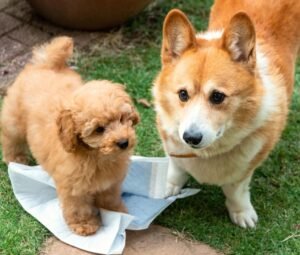
It also supports good behaviour in social situations. A well-trained puppy can join you on outings without the worry of unexpected accidents. Whether visiting parks, beaches, or friends’ homes around the Gold Coast, proper toilet training makes these experiences far more enjoyable for both you and your dog.
Toilet training also encourages responsibility for dog owners. It requires patience, consistency, and understanding. These qualities are important not only during the training process but throughout your journey as a dog owner.
The Golden Rules of Puppy Toilet Training
Consistency is one of the most important parts of successful puppy toilet training. Establish a regular routine that follows your puppy’s natural habits. Take your puppy outside first thing in the morning, after meals, after naps, and before bedtime. A consistent schedule helps your puppy understand when it is time to go to the toilet.
For more guidance on building good habits and raising a well-behaved dog, Master Of Puppies provides professional puppy training and behaviour support for Gold Coast dog owners.
Positive reinforcement is one of the most effective ways to teach good toilet habits. Reward your puppy immediately after they go to the toilet in the correct place with treats, praise, or gentle encouragement. This helps your puppy associate the behaviour with a positive outcome and encourages them to repeat it.
Using reward-based methods during puppyhood also lays the foundation for addressing more complex behaviour challenges later in life. If your dog develops fear, anxiety, or more serious behavioural issues as they mature, professional support through aggressive dog training on the Gold Coast can help identify the underlying causes and create a structured behaviour improvement plan.
Supervision is another key factor during the training process. Keep a close eye on your puppy when they are indoors to prevent accidents. If you are unable to supervise them, using a crate or a designated safe space can help until your puppy learns the correct habits.
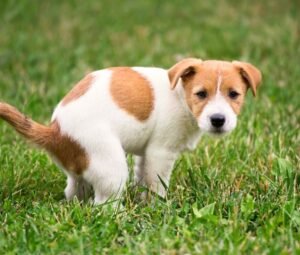
Patience is essential when toilet training a puppy. Accidents are a normal part of the learning process, so avoid scolding your puppy harshly for mistakes. Instead, calmly clean the area and continue guiding them towards the correct behaviour.
It is also important to watch for signs that your puppy needs to go outside. Common signals include sniffing the floor, circling, pacing, or whining. Recognising these signs early will help you take your puppy outside before an accident happens.
Tools and Supplies Needed for Successful Toilet Training
Toilet training your puppy becomes much easier when you have the right tools and supplies. These items help create structure and support your puppy as they learn where and when to go to the toilet.
A good quality crate is one of the most helpful tools during puppy toilet training. Crates help establish boundaries and provide your puppy with a safe and comfortable space. They can also assist with building a consistent routine and preventing accidents inside the home.
Training pads can also be useful, especially when you are unable to supervise your puppy closely or during periods of bad weather. These pads absorb messes and help guide your puppy toward an appropriate place to relieve themselves.
A reliable leash is another important item, particularly for outdoor toilet breaks. Using a leash allows you to guide your puppy to the same designated spot outside each time, helping them develop a consistent toilet routine.
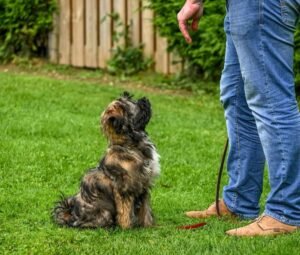
It is also a good idea to keep an enzyme based cleaner on hand. Accidents are a normal part of the training process, and these cleaners remove odours effectively so your puppy is less likely to return to the same spot.
Finally, positive reinforcement treats are extremely helpful during puppy training. Rewarding your puppy immediately after successful toilet breaks encourages them to repeat the behaviour and reinforces good habits.
Consistent routines, supervision, and structured environments also play an important role in helping puppies develop confidence and better behaviours. A well-managed dog daycare environment can provide puppies with socialisation, enrichment, and daily routines that support their overall development.
Step-by-Step Guide to Toilet Training Your Puppy
Start by establishing a consistent routine. Take your puppy outside first thing in the morning, after meals, after naps, and before bedtime. A regular schedule helps your puppy learn when it is time to go to the toilet and builds healthy habits more quickly.
Choose a designated toilet spot in your yard and take your puppy to the same location each time. Using a simple command such as “go potty” can help your puppy associate the phrase with the action over time.
Always reward your puppy immediately after they relieve themselves in the correct place. Offering treats, praise, or gentle encouragement provides positive reinforcement and helps your puppy understand that they have done the right thing.
If accidents happen indoors, clean the area thoroughly using an enzyme based cleaner. This removes any lingering odours that might encourage your puppy to return to the same spot.
Pay attention to your puppy’s behaviour and watch for signs that they need to go outside. Common signals include sniffing the floor, circling, pacing, or whining. When you notice these signs, take your puppy outside straight away.
Most importantly, be patient throughout the training process. Every puppy learns at their own pace. Celebrate small successes along the way, as these positive moments help build confidence and encourage consistent progress.
Common Challenges and How to Overcome Them
Toilet training a puppy can come with a few challenges, especially during the early stages. One common issue is accidents inside the home, which can be frustrating for both you and your puppy. Instead of scolding your dog, focus on recognising the signs that they need to go outside and guide them to the correct place.
Another challenge can be inconsistency in your puppy’s routine. Puppies learn best when they follow a predictable schedule. Missing regular toilet breaks may lead to confusion and increase the chances of accidents. Try to establish consistent times for feeding, outdoor toilet breaks, and bedtime.
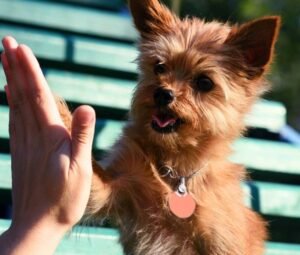
Some puppies may feel nervous or unsure about going outside, particularly in new environments. If this happens, gradually introduce your puppy to outdoor spaces and use treats, praise, and encouragement to help them feel more comfortable.
In some cases, puppies may start marking territory indoors due to stress or hormonal changes. Spaying or neutering at the appropriate age may help reduce this behaviour over time, along with consistent training.
Above all, patience is essential throughout the toilet training process. Every puppy learns at their own pace, so staying calm, consistent, and supportive will help your puppy develop good habits successfully.
Tips for Maintaining Good Habits after Training is Complete
Once your puppy is successfully toilet trained, maintaining consistency is still important. Continue following a regular routine for bathroom breaks to reinforce the habits your puppy has learned and reduce the chances of future accidents.
Positive reinforcement should also continue even after training is complete. Reward your dog with praise, treats, or gentle encouragement when they go to the toilet in the correct place. This helps strengthen good habits and keeps your dog confident in their routine.
It is also helpful to monitor your dog’s water intake, particularly in the evening. While your dog should always have access to fresh water during the day, managing water intake before bedtime can help reduce the likelihood of nighttime accidents.
Pay attention to signs that your dog may need to go outside. Behaviours such as sniffing, pacing, or whining often indicate that your dog needs a bathroom break. Responding quickly to these signals helps maintain the training they have already learned.
Finally, continue offering praise and encouragement. Positive interaction strengthens the bond between you and your dog while reinforcing the good behaviour they have developed through training.
Frequently Asked Questions About Puppy Toilet Training
What is the fastest way to toilet train a puppy?
The fastest way to toilet train a puppy is to create a consistent routine, take your puppy outside regularly, supervise them closely, and reward them immediately for going in the correct place. Positive reinforcement helps puppies learn faster and build reliable toilet habits.
How long does puppy toilet training take?
Most puppies learn basic toilet training within a few weeks to several months. The timeline depends on your puppy’s age, breed, routine, and consistency of training. Regular practice and positive rewards can help speed up the learning process.
How often should a puppy go outside to pee?
Young puppies usually need toilet breaks every 1–2 hours, especially after waking up, eating, drinking, playing, or sleeping. As puppies grow and develop better bladder control, they can gradually wait longer between toilet breaks.
Why does my puppy keep having accidents inside?
Puppies often have accidents because they are still learning their routine, cannot hold their bladder for long periods, or do not recognise the signs that they need to go. Consistent schedules, supervision, and rewards help reduce indoor accidents.
What age should puppies be toilet trained?
Many puppies begin learning toilet habits from around 8 weeks old. With consistent training, most puppies develop better control between 4–6 months of age, although some may take longer depending on their individual needs.
Should I use puppy pads during toilet training?
Puppy pads can be helpful when outdoor access is limited, but they may slow the transition to outdoor toilet habits. If your goal is outdoor training, a consistent toilet routine outside is usually the most effective approach.
Conclusion
Puppy Toilet Training is one of the most important foundations for raising a confident, well-behaved dog. With a consistent toilet routine, positive reinforcement, patience, and regular supervision, most puppies can quickly develop reliable toilet habits and reduce indoor accidents. While every puppy learns at a different pace, staying consistent and rewarding the right behaviour will lead to long-term success.
For Gold Coast puppy owners, establishing good toilet habits early not only creates a cleaner home but also supports your puppy’s overall confidence, behaviour, and future training. Combining house training with structured routines, crate training where appropriate, and clear communication helps your puppy understand what is expected and builds lifelong good habits.
If you’re finding puppy toilet training challenging or would like personalised support, Master Of Puppies provides professional Puppy Training Gold Coast programs tailored to your puppy’s age, breed, and individual learning style. Our experienced trainers use positive, reward-based methods to help puppies develop reliable toilet habits while building confidence and good behaviour from the very beginning.
Book your Puppy Training Gold Coast consultation today and give your puppy the best possible start with expert guidance, practical training techniques, and a structured plan designed for long-term success.