New dog owners often begin with a clear plan for how they will raise their dog. This usually involves setting a strict routine, beginning training from the very first day, and deciding that the dog will not be allowed on the furniture, especially the bed. However, once the dog comes home and everyday life sets in, these carefully made plans often begin to shift.
When a young dog or puppy spends its first nights in a new home, the experience can be confusing and stressful. Being separated from their mother and siblings is a major change, and it is common for puppies to cry, whine, or become restless at night. This adjustment period often affects owners as well, leaving them exhausted and sleep-deprived.
Tips from Master Of Puppies Pet Trainers
At this stage, puppies haven’t yet learned how to calm themselves down. This early period is crucial and often determines the success or failure of the owners’ original plans.
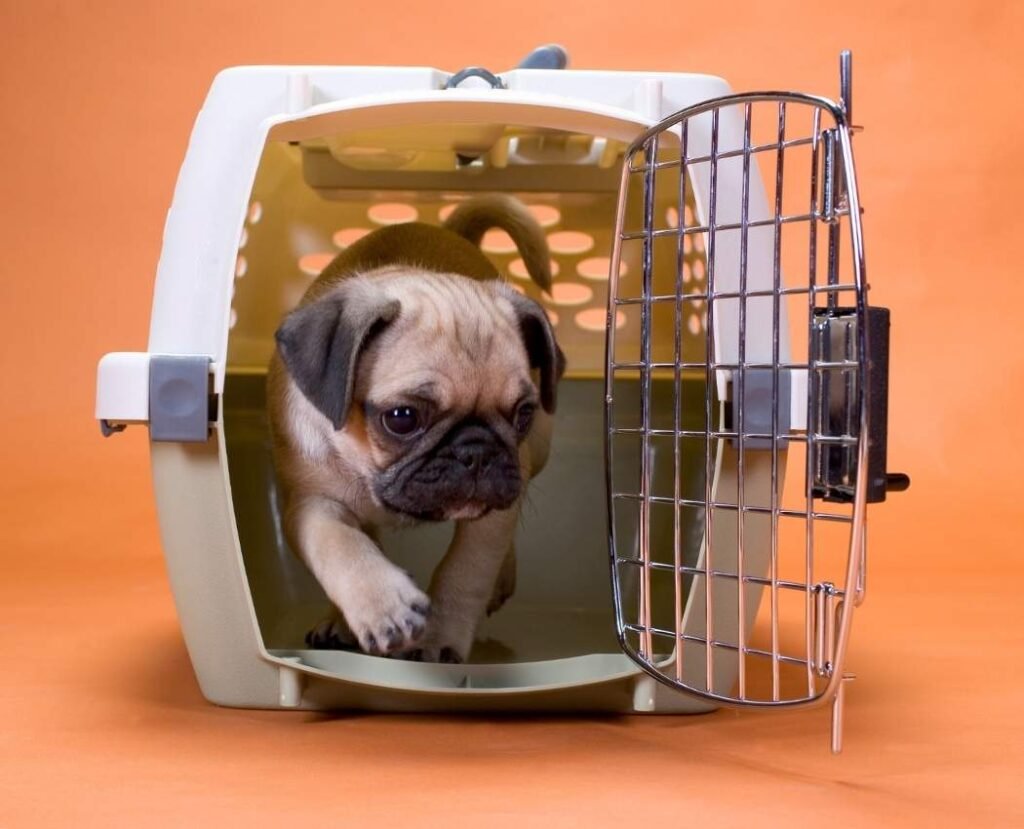
Option A: With patience and consistency from the owner, the puppy will soon adjust to its new sleeping arrangement and feel comfortable in the crate.
Option B: Rather than enduring another sleepless night, the owner may give in and let the puppy snuggle in bed, temporarily setting aside the crate.

However, it’s important to consider a few key factors before letting your dog sleep in your bed.
Transform the Significance of Your Bed!
You might think letting your dog sleep on your bed is no big deal, but it can affect your dog in ways you might not expect.
In the world of dogs, being elevated is considered a privilege and can reflect their status within your household.
Whether your furry companion is sitting on your lap, resting in your arms, lounging on the couch, or sleeping on the bed, these are all examples of elevated spots in your dog’s eyes.
Giving your dog access to high places like your bed can sometimes confuse them. It’s not the spot itself that’s the problem, but how your dog thinks about being allowed there. In some cases, dogs that have too much freedom on these spots may become aggressive.

Encounters with a dog guarding a bed or sofa can sometimes lead to unexpected bites. This can happen if someone tries to move the dog off the furniture, if a child jumps onto their parents’ bed, or if a partner accidentally rolls in their sleep close to the other and gets bitten by the dog.
We’re not saying you shouldn’t enjoy time with your dog, but we do recommend setting clear rules and boundaries before allowing certain privileges. If you notice any changes in your dog’s behavior when it is elevated, consider adjusting its level of elevation.
It should be noted that owning more than one dog means establishing a social hierarchy within the pack. To maintain harmony in the home, privileges must be carefully distributed.
Simply allowing a dog on the bed or sofa will not automatically lead to aggression or territorial behavior, but the elevated status may contribute to an inflated ego and potential territorial tendencies. Your canine companion is missing out on chances to develop their independence.
The most common behavior problem we encounter is separation anxiety, which occurs when a dog has excessive access to its owner and not enough opportunities to learn how to be alone. It is crucial for your dog’s development, confidence, and independence that they have time alone even when you are at home.
Bedtime is a Perfect Opportunity to Put that Space into Action
Consider this scenario: You let your dog sleep next to you every night, but then suddenly you go on a trip, or have a family visit, or welcome a new child and need the bassinet next to your bed. In other words, situations can quickly change. The abrupt change in schedule may trigger anxiety in your dog, particularly if they do not have the same level of access to you.

While not all dogs who share a bed with their owners will experience separation anxiety (as some may be naturally independent and handle being alone without much distress), there are certain breeds that are more prone to anxious behaviors. If your dog struggles with being alone, letting them sleep in your bed can make it even harder for them to cope with solo time.
Ultimately, deciding whether to let your dog sleep with you is a personal choice. While it brings happiness to many owners, it’s important to consider whether it truly benefits the dog as well.
If increased contact leads to separation anxiety, it’s important to support your dog’s mental well-being. At Master Of Puppies, we strongly prioritize the health and welfare of all dogs.
Crate training for sleep may be recommended in situations where other arrangements aren’t possible.
Please do not hesitate to contact the Master Of Puppies for more information and assistance with this transition.