Every dog owner knows that socialisation plays a key role in raising a well-rounded pup. But how much dog-to-dog interaction does your furry friend truly need? Especially in vibrant places like the Gold Coast, where dogs can enjoy beaches and parks galore, striking the right balance becomes essential.
Socialising isn’t just about letting dogs play; it’s about building their confidence and helping them navigate the canine world effectively.
Let’s dive into why socialisation matters so much and how you can ensure your dog gets just what they need to thrive among their fellow four-legged friends.
Importance of Socialisation for Dogs
Socialisation is crucial for a dog’s development, shaping their personality and influencing behaviour throughout their lives. When dogs are exposed to various environments, people, and other animals early on, they learn to navigate the world with confidence and ease.
A well-socialised dog is more adaptable and less fearful of new experiences, helping prevent anxiety-driven behaviours like excessive barking or aggression. The benefits extend beyond comfort alone—socialisation also nurtures good manners and positive interactions with people and other dogs.
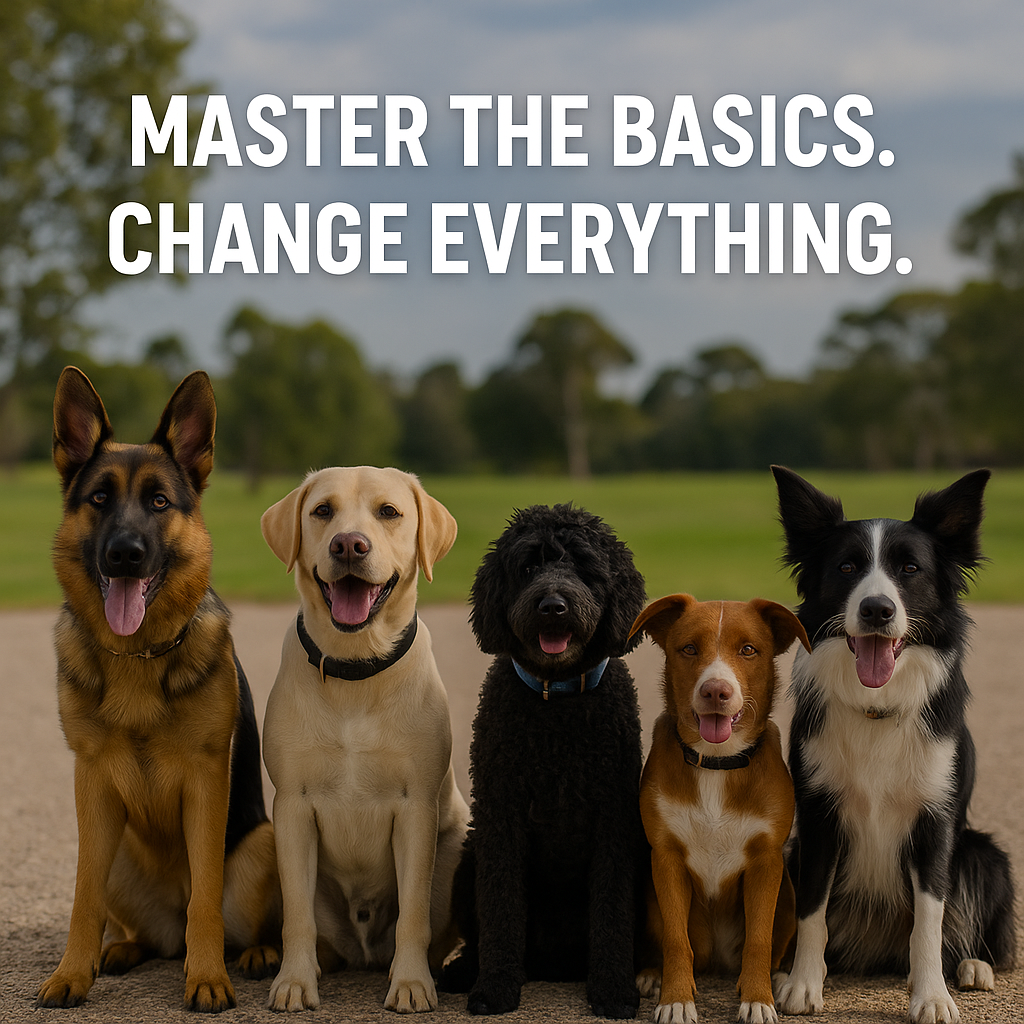
Dogs thrive on interaction. Engaging with fellow canines not only fulfills their instinctual need for companionship but also teaches them important communication skills through body language and play styles. Participating in a canine bootcamp is an excellent way to encourage these interactions in a structured, supportive environment.
Moreover, these interactions provide essential mental stimulation. Socially active dogs tend to be happier, more balanced, and enjoy healthier lifestyles overall. By prioritising socialisation, you’re not just training your dog—you’re setting the foundation for a joyful, fulfilling life together.
Understanding Dog Behaviour
Understanding dog behaviour is essential for effective socialisation. Dogs primarily communicate through body language, which can vary greatly between breeds and individual dogs. Recognising signals such as wagging tails or raised hackles helps you better interpret how they are feeling.
Playfulness is often shown through loose, wiggly body movements and playful barks. In contrast, a stiff posture or growling can signal discomfort or aggression. Observing these signs allows owners to anticipate reactions during interactions with other dogs.
Social experiences play a significant role in shaping your dog’s behaviour. Early exposure to different environments, noises, and other animals fosters confidence. A well-socialised dog tends to be more adaptable in unfamiliar situations.
Remember that every dog has its own comfort zone. Some thrive in group play, while others prefer one-on-one time with familiar companions. Tailoring social opportunities to suit your dog’s personality helps ensure a positive experience for everyone involved.
Factors to Consider for Dog-to-Dog Socialisation in Gold Coast
When considering dog-to-dog socialisation in Gold Coast, several factors come into play. First and foremost is your dog’s temperament. Some breeds are naturally more sociable, while others may be shy or aggressive.
Next, the age of your dog matters significantly. Puppies often benefit from early social experiences, while older dogs might prefer a slow introduction to new friends.
The environment you choose for these interactions is equally important. Parks can be a great option, but it’s essential to ensure they’re not overcrowded. A calm atmosphere helps reduce anxiety for both dogs involved.
Health considerations should also not be ignored. Ensure vaccinations are up to date before exposing your pet to other dogs to prevent any potential illnesses.
Always monitor body language during interactions; signs of distress or discomfort can indicate it’s time to step back and reassess the situation.
Tips for a Successful Dog-to-Dog Interaction
Creating positive dog-to-dog interactions begins with proper introductions. Always allow dogs to sniff each other while keeping the leashes loose, as this helps promote a calm and relaxed atmosphere.
Keep a close eye on your dog during play. Wagging tails and playful bows show a relaxed dog, while stiff postures or growling may indicate discomfort. Step in when necessary to ensure interactions remain safe and positive.
Choose neutral territory for meetings, like parks or open areas, where neither dog feels territorial. Keep initial interactions brief to avoid overwhelming them.

Reward good behavior with treats and praise during playtime. This reinforces positive experiences associated with socializing.
Gradually increase the duration of their interactions as they become more comfortable around each other. Patience is key; every dog has its own pace when it comes to socialization.
Always stay attentive and proactive, maintaining control over your dog to manage any potential conflicts that may arise during play sessions.
Alternatives to In-Person Socialisation
Not every dog flourishes in a group environment. Some dogs respond better to alternative methods of socialisation.
Consider virtual meet-ups or online training classes. These allow dogs to interact with others while remaining comfortable at home. It’s an innovative way to expose them to various sounds and sights without overwhelming them.
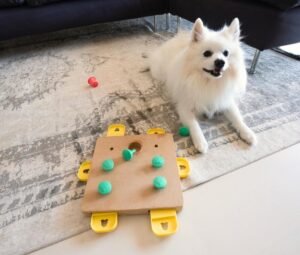
Interactive toys or puzzle games can also offer a form of social engagement. These stimulate your dog’s mind and mimic the problem-solving aspects they might encounter during face-to-face interactions.
Doggy playdates can be held outdoors, allowing two dogs to enjoy each other’s company while maintaining personal space. Controlled environments help build confidence without the chaos often found in larger groups.
Consider scent work or agility courses designed for solo practice. They promote mental stimulation and keep your dog active, fostering skills that enhance future interactions with their peers.
Conclusion
When considering dog-to-dog socialisation in Gold Coast, understanding your dog’s needs and personality is essential. Each dog is unique, and their comfort levels with other dogs can vary significantly. Regular interaction with other dogs fosters better behaviour, reduces anxiety, and enhances their overall well-being.
Gold Coast offers numerous spots for canine companions to mingle and play. From local parks to dedicated dog areas, these venues provide perfect settings for social outings. Remember that successful interactions depend on observing your dog’s body language and respecting their boundaries.
While in-person socialisation is important, alternative methods are also effective. Virtual meet-ups and structured training sessions provide a safe environment for dogs to develop essential skills without the stress of direct face-to-face encounters.
Prioritising your dog’s social development not only benefits them but also enriches the bond you share. Emphasise gradual exposure to various experiences while keeping an eye on how they respond along the way. With patience and proper guidance, your furry friend will thrive socially in no time.
When should I start training my puppy?
Puppy training, including socialization and obedience, must begin the moment you bring your puppy home, which is about 8 weeks of age. Puppy learning does not end with their training. It is advisable to introduce good training practices as soon as possible.
You must begin obedience training when your dog reaches the state of comfort between 10 and 16 weeks old. Attending a puppy training camp during this critical period can provide structured lessons, socialisation opportunities with other puppies, and consistent guidance from experienced trainers, helping your puppy develop into a confident and well-behaved adult dog.