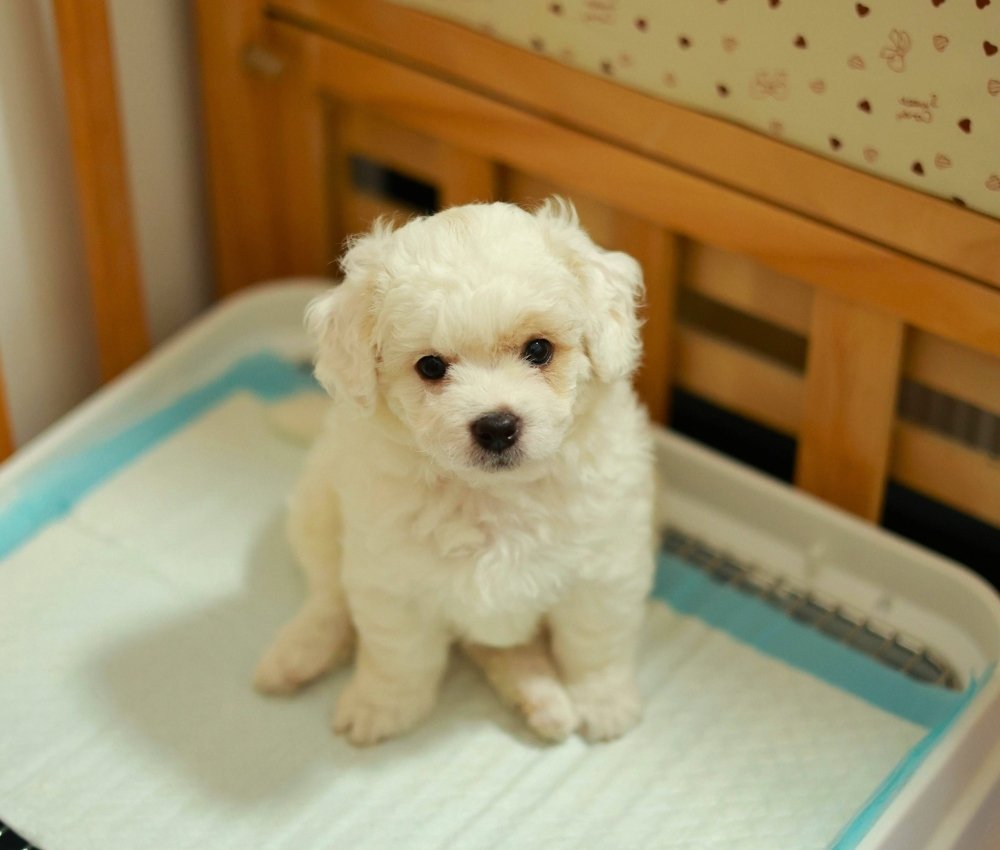
Bringing a puppy into your home is an exciting experience filled with cuddles, playtime, and plenty of affection. However, along with the joy of welcoming a new furry companion comes the responsibility of teaching them important life skills. One of the first and most essential lessons is puppy toilet training. For dog owners on the Gold Coast, successfully toilet training a puppy means fewer accidents in the home and a smoother, more enjoyable start to life together.
Toilet training is not just about keeping your home clean. It also helps your puppy develop healthy habits and feel more comfortable in their environment. When puppies clearly understand where they should go to the toilet, it reduces confusion, builds confidence, and sets the foundation for good behaviour as they grow.
With patience, consistency, and the right approach, you can guide your puppy toward reliable toilet habits that will last throughout their life. Whether you are a first-time dog owner or welcoming another puppy into your family, this simple guide will help Gold Coast dog owners successfully navigate the puppy toilet training process.
The Importance of Toilet Training for Dogs
Toilet training is an essential skill for every dog. It helps build a strong and positive relationship between you and your pet. A properly trained puppy understands where it should go to the toilet, which reduces accidents inside the home and helps keep your living space clean and organised.
Successful toilet training also plays an important role in your dog’s overall wellbeing. When puppies learn the correct place to relieve themselves, they feel more confident and less anxious about their routine.
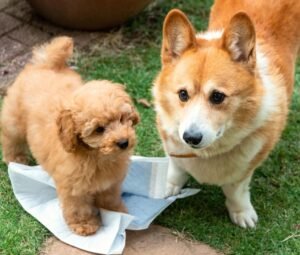
It also supports good behaviour in social situations. A well-trained puppy can join you on outings without the worry of unexpected accidents. Whether visiting parks, beaches, or friends’ homes around the Gold Coast, proper toilet training makes these experiences far more enjoyable for both you and your dog.
Toilet training also encourages responsibility for dog owners. It requires patience, consistency, and understanding. These qualities are important not only during the training process but throughout your journey as a dog owner.
The Golden Rules of Puppy Toilet Training
Consistency is one of the most important parts of successful puppy toilet training. Establish a regular routine that follows your puppy’s natural habits. Take your puppy outside first thing in the morning, after meals, after naps, and before bedtime. A consistent schedule helps your puppy quickly understand when it is time to go to the toilet.
Positive reinforcement is also highly effective. Reward your puppy immediately after they go to the toilet in the correct place by offering treats, praise, or gentle encouragement. This positive feedback helps your puppy connect the behaviour with a reward and encourages them to repeat it.
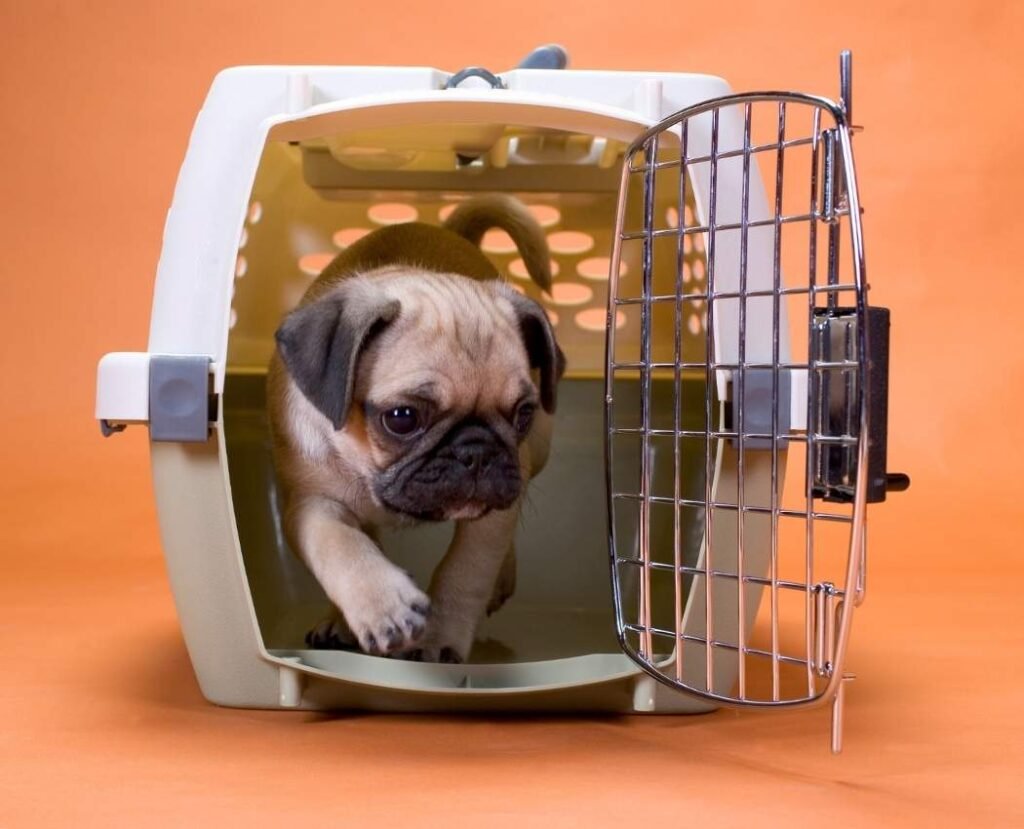
Supervision is another key factor during the training process. Keep a close eye on your puppy when they are indoors to prevent accidents. If you are unable to supervise them, using a crate or a designated safe space can help until your puppy learns the correct habits.
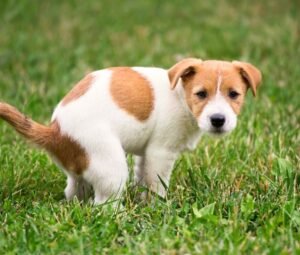
Patience is essential when toilet training a puppy. Accidents are a normal part of the learning process, so avoid scolding your puppy harshly for mistakes. Instead, calmly clean the area and continue guiding them towards the correct behaviour.
It is also important to watch for signs that your puppy needs to go outside. Common signals include sniffing the floor, circling, pacing, or whining. Recognising these signs early will help you take your puppy outside before an accident happens.
Tools and Supplies Needed for Successful Toilet Training
Toilet training your puppy becomes much easier when you have the right tools and supplies. These items help create structure and support your puppy as they learn where and when to go to the toilet.
A good quality crate is one of the most helpful tools during puppy toilet training. Crates help establish boundaries and provide your puppy with a safe and comfortable space. They can also assist with building a consistent routine and preventing accidents inside the home.
Training pads can also be useful, especially when you are unable to supervise your puppy closely or during periods of bad weather. These pads absorb messes and help guide your puppy toward an appropriate place to relieve themselves.
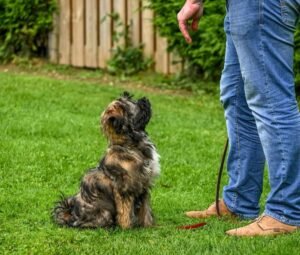
A reliable leash is another important item, particularly for outdoor toilet breaks. Using a leash allows you to guide your puppy to the same designated spot outside each time, helping them develop a consistent toilet routine.
It is also a good idea to keep an enzyme based cleaner on hand. Accidents are a normal part of the training process, and these cleaners remove odours effectively so your puppy is less likely to return to the same spot.
Finally, positive reinforcement treats are extremely helpful during training. Rewarding your puppy immediately after successful toilet breaks encourages them to repeat the behaviour and reinforces good habits.
Step-by-Step Guide to Toilet Training Your Puppy
Start by establishing a consistent routine. Take your puppy outside first thing in the morning, after meals, after naps, and before bedtime. A regular schedule helps your puppy learn when it is time to go to the toilet and builds healthy habits more quickly.
Choose a designated toilet spot in your yard and take your puppy to the same location each time. Using a simple command such as “go potty” can help your puppy associate the phrase with the action over time.
Always reward your puppy immediately after they relieve themselves in the correct place. Offering treats, praise, or gentle encouragement provides positive reinforcement and helps your puppy understand that they have done the right thing.
If accidents happen indoors, clean the area thoroughly using an enzyme based cleaner. This removes any lingering odours that might encourage your puppy to return to the same spot.
Pay attention to your puppy’s behaviour and watch for signs that they need to go outside. Common signals include sniffing the floor, circling, pacing, or whining. When you notice these signs, take your puppy outside straight away.
Most importantly, be patient throughout the training process. Every puppy learns at their own pace. Celebrate small successes along the way, as these positive moments help build confidence and encourage consistent progress.
Common Challenges and How to Overcome Them
Toilet training a puppy can come with a few challenges, especially during the early stages. One common issue is accidents inside the home, which can be frustrating for both you and your puppy. Instead of scolding your dog, focus on recognising the signs that they need to go outside and guide them to the correct place.
Another challenge can be inconsistency in your puppy’s routine. Puppies learn best when they follow a predictable schedule. Missing regular toilet breaks may lead to confusion and increase the chances of accidents. Try to establish consistent times for feeding, outdoor toilet breaks, and bedtime.
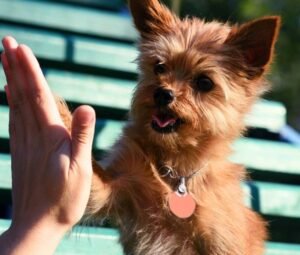
Some puppies may feel nervous or unsure about going outside, particularly in new environments. If this happens, gradually introduce your puppy to outdoor spaces and use treats, praise, and encouragement to help them feel more comfortable.
In some cases, puppies may start marking territory indoors due to stress or hormonal changes. Spaying or neutering at the appropriate age may help reduce this behaviour over time, along with consistent training.
Above all, patience is essential throughout the toilet training process. Every puppy learns at their own pace, so staying calm, consistent, and supportive will help your puppy develop good habits successfully.
Tips for Maintaining Good Habits after Training is Complete
Once your puppy is successfully toilet trained, maintaining consistency is still important. Continue following a regular routine for bathroom breaks to reinforce the habits your puppy has learned and reduce the chances of future accidents.
Positive reinforcement should also continue even after training is complete. Reward your dog with praise, treats, or gentle encouragement when they go to the toilet in the correct place. This helps strengthen good habits and keeps your dog confident in their routine.
It is also helpful to monitor your dog’s water intake, particularly in the evening. While your dog should always have access to fresh water during the day, managing water intake before bedtime can help reduce the likelihood of nighttime accidents.
Pay attention to signs that your dog may need to go outside. Behaviours such as sniffing, pacing, or whining often indicate that your dog needs a bathroom break. Responding quickly to these signals helps maintain the training they have already learned.
Finally, continue offering praise and encouragement. Positive interaction strengthens the bond between you and your dog while reinforcing the good behaviour they have developed through training.
Conclusion
Puppy toilet training is an essential part of responsible dog ownership, particularly for Gold Coast dog owners who want to create a happy and well organised home environment. By following the right techniques, using helpful tools, and staying consistent with your training routine, you can make the toilet training process smooth and effective for both you and your puppy.
It is important to remember that patience plays a big role in successful training. Every puppy learns at a different pace, so challenges along the way are completely normal. With consistent guidance and positive reinforcement, your puppy will gradually develop reliable toilet habits.
Maintaining these good habits after training is just as important. Regular bathroom breaks, clear routines, and continued encouragement will help ensure your dog stays on track even after they have learned the basics.
With dedication, patience, and plenty of positive reinforcement, you can build a strong bond with your puppy while creating a comfortable and clean living environment. In time, your puppy will grow into a confident and well trained companion, making the early efforts of toilet training truly worthwhile.