
Caring for a puppy involves much more than providing food, water and a comfortable place to sleep. Young dogs are learning about the world every day, and the routines, experiences and guidance they receive during their early months can influence how they cope with everyday life as they grow.
From toilet training and socialisation to chewing, sleep, exercise and basic obedience, there are many things new puppy owners need to understand. The goal is not to expect a young dog to behave like an adult. Instead, good puppy care is about creating predictable routines, teaching appropriate behaviours and introducing new experiences at a pace the puppy can manage.
If you have recently brought a puppy home, this guide covers the main areas of care and training you should focus on during those early months.
What Does Caring for a Puppy Involve?
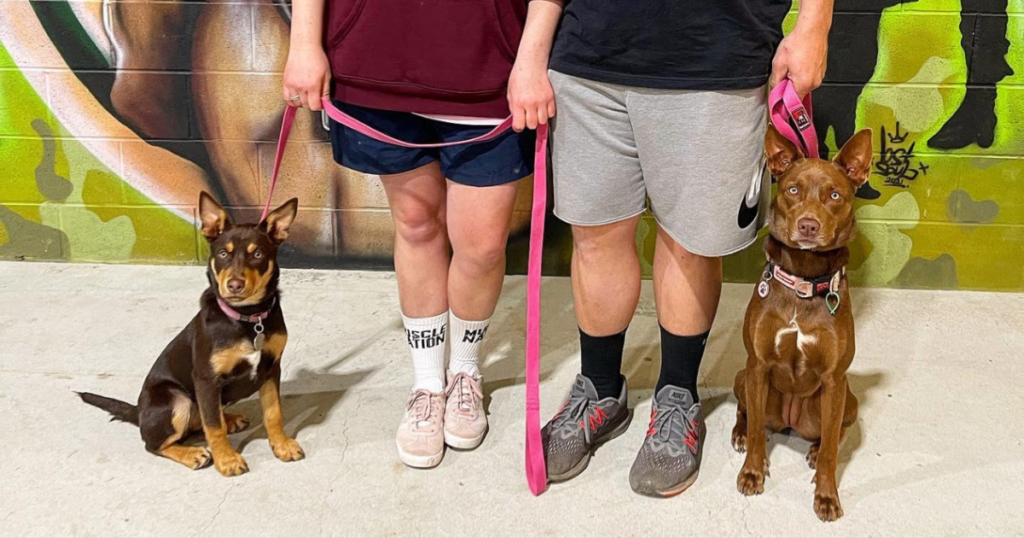
Caring for a puppy means meeting their physical and developmental needs while helping them learn how to behave appropriately in everyday situations.
The main areas of puppy care include:
- Providing appropriate food and fresh water
- Establishing a consistent daily routine
- Giving your puppy enough sleep and quiet time
- Teaching appropriate toilet habits
- Introducing safe and suitable socialisation experiences
- Providing age-appropriate exercise and enrichment
- Managing chewing and mouthing
- Teaching basic obedience and household manners
- Helping your puppy learn to settle
- Introducing handling, grooming and everyday environments
- Building clear communication between you and your dog
Puppies do not automatically understand what people expect from them. Behaviours such as jumping, chewing, barking, pulling or having accidents are often part of the learning process rather than signs that a puppy is deliberately being difficult.
Early guidance can help your puppy understand which behaviours are appropriate and what alternatives you would like them to choose.
For professional guidance on building better behaviour and communication, explore dog training on the Gold Coast.
A Simple Puppy Care Routine
A puppy generally benefits from a predictable routine that balances food, toilet opportunities, training, play, exploration and plenty of sleep.
A simple routine may include:
- Waking up and having a toilet opportunity
- Breakfast according to an appropriate feeding plan
- A short period of play or exploration
- A brief training session
- Quiet time and sleep
- Another toilet opportunity after waking
- Enrichment or age-appropriate activity
- Another rest period
- Evening meal and calm interaction
- A consistent bedtime routine
The exact schedule will depend on the puppy’s age, breed, individual needs and veterinary advice.
Why Is a Puppy Routine Important?
A consistent routine can help a young dog understand what happens throughout the day. It can also make toilet training, rest and short training sessions easier to manage.
Rather than trying to fill every waking moment with activity, give your puppy opportunities to switch between engagement and rest.
An overtired puppy may become more excitable, mouthy or difficult to settle. More activity is not always the answer. Sometimes the most useful thing a young dog needs is a quiet environment and an opportunity to sleep.
How Much Sleep Does a Puppy Need?
Sleep is an important part of puppy development.
Young puppies can spend a significant part of the day sleeping. Their bodies and brains are developing rapidly, and rest gives them time to recover from new experiences and activity.
Signs that your puppy may need a break can include:
- Becoming unusually restless
- Increased biting or mouthing
- Losing focus during training
- Becoming more vocal
- Running around without settling
- Becoming easily frustrated
- Struggling to respond to familiar cues
Instead of continually increasing exercise, consider whether your puppy has had enough quiet time.
A suitable resting area can help them learn that calm behaviour is part of normal life.
If you are introducing a crate, the process should be gradual and positive. Our puppy crate training guide provides further information about helping a young dog become comfortable with crate routines.
What Should a Puppy Eat and Drink?
Puppies need nutrition that is appropriate for their stage of development. The right food, feeding frequency and portion size can vary depending on factors such as age, breed, expected adult size and individual health needs.
Your veterinarian can provide personalised advice about your puppy’s nutritional requirements.
Fresh drinking water should also be available as appropriate throughout the day.
For general information about responsible pet care in Australia, the RSPCA Australia website provides additional resources for pet owners.
Avoid making major dietary changes without considering how they may affect your puppy. If you are unsure about what your dog should eat, how much they should eat or whether a particular food is suitable, speak with your veterinarian.
Good puppy care also includes paying attention to changes in appetite, digestion, energy levels and general wellbeing.
How Do You Toilet Train a Puppy?
Toilet training is one of the first practical skills many new puppy owners need to teach.
A puppy may need to go to the toilet after:
- Waking up
- Eating or drinking
- Playing
- Exciting activity
- Sleeping
- Spending time in a new environment
Taking your puppy to the appropriate toilet area regularly gives them more opportunities to succeed.
What Should You Do When Your Puppy Has an Accident?
Accidents are normal during the learning process.
Instead of punishing your puppy, focus on improving the routine and supervision. Clean the area thoroughly and consider what happened immediately before the accident.
Ask yourself:
- Was the puppy recently awake?
- Had they been playing?
- Had they just eaten or drunk?
- Were there signs that they needed to go outside?
- Had they been left unsupervised for too long?
Understanding the pattern can help you prevent future accidents.
For a more detailed approach, see our puppy toilet training guide.
Why Is Puppy Socialisation Important?
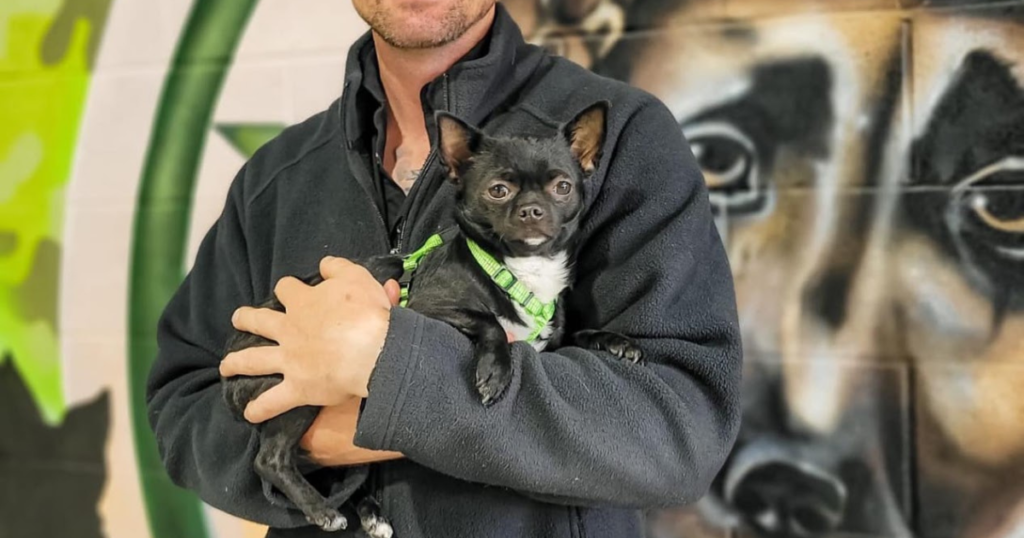
Puppy socialisation is not simply about making a puppy meet as many dogs and people as possible.
Good socialisation means helping a young dog experience different people, environments, sounds, surfaces, handling experiences and everyday situations in a way they can manage.
The objective is to help your puppy learn that new experiences can be approached calmly and positively.
What Should Puppies Be Socialised To?
Depending on their age, development and veterinary guidance, puppies may gradually experience:
- Different people
- Household sounds
- Traffic and outdoor sounds
- Different surfaces
- Car journeys
- Grooming and handling
- New environments
- Appropriate dogs
- Everyday household activity
- Being calmly separated from people
- Different sights, smells and surroundings
The quality of the experience matters more than simply counting how many experiences a puppy has had.
If your puppy appears overwhelmed, frightened or unable to engage, increase distance, reduce the intensity or give them time to recover.
You can also read our guide on how to socialise a puppy safely for more practical guidance.
How Do You Exercise a Puppy Safely?
Puppies need movement and opportunities to explore, but exercise should be appropriate for their age and individual development.
Puppy exercise does not have to mean long walks or exhausting physical activity.
Suitable activities can include:
- Short exploration sessions
- Age-appropriate walks
- Gentle play
- Food-based enrichment
- Basic training
- Calm sniffing opportunities
- Learning to settle
- Controlled environmental exposure
Your veterinarian can advise you about suitable physical activity for your puppy, particularly while they are growing.
Mental stimulation is also important. A few minutes of focused training can provide useful mental work without requiring intense physical exercise.
How Do You Stop a Puppy From Chewing Everything?
Puppy chewing is common. Young dogs explore their environment with their mouths, and chewing can also become more noticeable during teething.
Rather than expecting a puppy never to chew, teach them which items are appropriate.
Practical Ways to Manage Puppy Chewing
Keep suitable chew items available and reduce access to objects you do not want your puppy to practise chewing.
You can also:
- Supervise your puppy during free time
- Redirect inappropriate chewing
- Reward appropriate chewing
- Use puppy-safe enrichment
- Keep valuable or dangerous objects out of reach
- Maintain a predictable routine
- Avoid turning every attempt to chew into a game
Consistency is important. If an item is off-limits, everyone in the household should follow the same rule.
For more guidance, read our resource about puppy chewing.
When Should You Start Training a Puppy?
Puppy training can begin from the moment a puppy joins your household.
Training does not need to involve long or complicated sessions. Short sessions repeated consistently can be easier for a young dog to understand and enjoy.
Early training can focus on:
- Responding to their name
- Attention and engagement
- Sit
- Basic recall
- Appropriate greetings
- Walking calmly
- Settling
- Handling
- Impulse control
- Basic household boundaries
Training should be clear, consistent and appropriate for the puppy’s age and ability to concentrate.
Why Is Early Obedience Training Useful?
Early obedience training gives owners a way to communicate clearly with their puppy.
The objective is not simply to collect a list of commands. Good training helps a young dog understand how to respond to people in everyday situations.
For example, teaching a puppy to come when called can become especially important when you need them to move away from something interesting or return to you safely.
You can explore our puppy training school on the Gold Coast for more information about structured puppy training.
How Do You Teach a Puppy to Walk on a Lead?
Lead training is another skill that benefits from gradual practice.
At first, your puppy may find the lead strange. They may stop, pull, sniff, sit down or become distracted.
Instead of expecting perfect walking immediately, start by helping your puppy become comfortable wearing the equipment and responding to you.
Reward behaviours such as:
- Checking in with you
- Walking near you
- Following your direction
- Remaining calm around distractions
- Stopping when asked
- Returning their attention to you
As your puppy becomes more confident, gradually introduce additional distractions and environments.
Our guide to leash training a puppy covers this skill in more detail.
How Can You Teach a Puppy to Come When Called?
Recall is one of the most useful behaviours a puppy can learn.
Start in a controlled environment with limited distractions. Use a clear recall cue and make returning to you rewarding.
When your puppy comes to you:
- Respond positively.
- Reward the behaviour.
- Avoid immediately creating an unpleasant experience every time they return.
- Practise frequently in manageable situations.
- Gradually increase distractions.
Do not assume that a puppy who responds reliably inside the house will automatically recall when surrounded by outdoor distractions.
Recall needs to be developed progressively as your puppy becomes more comfortable responding in different environments.
You can learn more through our Gold Coast dog recall training resource.
How Do You Teach a Puppy to Settle?
Learning to settle is an important part of puppy behaviour.
A puppy should not need constant entertainment. Teaching calmness can help them cope with everyday household life.
Start by recognising and rewarding calm behaviour. If your puppy lies quietly, relaxes beside you or chooses to rest, avoid automatically interrupting them.
You can also create predictable quiet periods during the day.
Calmness Is a Skill
Some puppies naturally settle more easily than others.
For an energetic puppy, learning to switch from play mode to calm behaviour may require deliberate practice.
Training can include:
- Rewarding calm positions
- Teaching a place or mat behaviour
- Reducing unnecessary stimulation
- Providing structured rest periods
- Using appropriate enrichment
- Practising calm behaviour around normal household activity
This can be particularly useful for puppies who become excited easily.
How Do You Introduce a Puppy to Other Dogs?
Interactions with other dogs should be selected carefully rather than allowing a puppy to greet every dog they encounter.
A positive experience should consider:
- The other dog’s temperament
- The environment
- The puppy’s confidence
- The level of excitement
- The amount of space available
- Whether the puppy can disengage calmly
A puppy does not need to interact directly with every dog to become well socialised.
Learning to calmly observe another dog without rushing over can be an important skill too.
This distinction matters because uncontrolled interactions can create excitement, frustration or fear rather than helping a puppy develop confidence.
How Do You Manage Puppy Jumping and Mouthing?
Jumping and mouthing are common behaviours in young puppies.
Your puppy may jump because they are excited, seeking attention or have learned that jumping produces interaction.
Rather than repeatedly pushing the puppy away, teach an alternative behaviour.
For example, you can reward:
- Four paws on the floor
- Sitting to greet
- Looking towards you
- Calm approaches
- Choosing a toy instead of hands
Everyone who interacts with the puppy should respond consistently.
If one person rewards jumping with attention while another person discourages it, the puppy receives mixed information.
What Are the Most Important Puppy Training Priorities?
There are many behaviours you could teach, but the most useful priorities for a young puppy generally involve everyday life.
Consider focusing on:
1. Engagement
Teach your puppy that paying attention to you is worthwhile.
2. Toilet Habits
Create predictable opportunities to use the correct toilet area.
3. Recall
Build a strong response to your recall cue in gradually more distracting environments.
4. Loose-Lead Skills
Help your puppy learn to walk without constantly pulling towards distractions.
5. Socialisation
Introduce new experiences gradually and positively.
6. Settling
Teach your puppy that calm behaviour is rewarding.
7. Appropriate Chewing
Provide suitable alternatives and manage access to household items.
8. Handling
Gradually help your puppy become comfortable with routine handling, grooming and veterinary-related experiences.
These foundations can become more valuable than trying to teach a puppy dozens of tricks.
Common Puppy Care Mistakes to Avoid
Even owners with good intentions can accidentally make puppy training harder.
Expecting Too Much Too Soon
A puppy is still developing. Training should match their attention span and ability to cope with distractions.
Too Much Stimulation
Constant activity can make it difficult for a young dog to settle.
Inconsistent Rules
If your puppy is allowed to jump on one person but not another, learning becomes confusing.
Punishing Normal Puppy Behaviour
Chewing, exploring and occasional accidents are part of puppy development. Management and teaching can be more useful than punishment when helping a puppy learn appropriate behaviour.
Skipping Socialisation
Keeping a puppy isolated from normal experiences can leave them less prepared for everyday environments. Socialisation should be gradual and appropriate to the individual puppy.
Treating Exercise as the Only Solution
Physical activity is important, but puppies also need sleep, mental stimulation, training and calm time.
Expecting Outdoor Obedience to Match Indoor Obedience
Distractions change everything.
A puppy who listens perfectly in a quiet room may struggle in a busy outdoor environment. Training should therefore progress gradually as the dog becomes more capable of responding around distractions.
A Simple Puppy Care Checklist
Use this checklist to review your puppy’s daily needs.
Nutrition
- Appropriate puppy food
- Fresh water
- Consistent feeding routine
Toilet Training
- Regular toilet opportunities
- Supervision
- Positive reinforcement
- Appropriate cleaning after accidents
Sleep
- Comfortable resting area
- Quiet periods
- Opportunities to sleep undisturbed
Training
- Short sessions
- Name recognition
- Engagement
- Basic obedience
- Recall
- Lead skills
- Settling
Socialisation
- New people
- Appropriate dogs
- New environments
- Household sounds
- Handling experiences
- Different surfaces and surroundings
Enrichment
- Appropriate toys
- Safe chewing options
- Sniffing
- Food-based enrichment
- Problem-solving activities
Behaviour
- Consistent household rules
- Calm greetings
- Appropriate chewing
- Impulse control
- Rewarding desired behaviour
Frequently Asked Questions About Caring for a Puppy
What Is the Most Important Thing When Caring for a Puppy?
The most important part of caring for a puppy is creating a safe, predictable environment while gradually teaching appropriate behaviours.
Nutrition, sleep, toilet training, socialisation, enrichment and early obedience all contribute to a puppy’s development.
How Do You Care for a Puppy for the First Time?
Start with a consistent daily routine covering food, water, toilet breaks, sleep, play, enrichment and short training sessions.
Give your puppy time to adjust and introduce new experiences gradually rather than overwhelming them.
How Often Should You Train a Puppy?
Several short training sessions can be more practical than one long session.
Puppies have limited attention spans, so keep training age-appropriate, positive and easy to understand. The ideal frequency will vary depending on the puppy and the skill being taught.
What Should I Teach My Puppy First?
Useful early skills include responding to their name, paying attention to you, developing toilet habits, appropriate chewing, settling, basic obedience, recall and calm lead behaviour.
How Do I Stop My Puppy From Biting?
Redirect biting towards an appropriate toy or chew item and reinforce calm, appropriate interaction.
Avoid turning hands, clothing or chasing into exciting games. If biting is persistent, unusually intense or concerning, professional behaviour guidance can help identify what may be contributing to the behaviour.
Is Socialisation Just Meeting Other Dogs?
No.
Puppy socialisation involves learning about many aspects of the world, including people, environments, sounds, surfaces, handling and appropriate interactions with other dogs.
A puppy can also learn valuable social skills by calmly observing without directly interacting.
How Much Exercise Does a Puppy Need?
Exercise requirements vary according to age, breed, development and individual health.
Puppies need appropriate movement as well as sleep, training and mental enrichment. Your veterinarian can advise on suitable physical activity for your individual puppy.
Why Does My Puppy Behave Well Inside but Not Outside?
Outdoor environments contain significantly more distractions.
Smells, people, dogs, vehicles, sounds and movement can make it harder for a puppy to focus. Training should gradually progress from easier environments to situations with greater levels of distraction.
When Should I Get Professional Puppy Training?
Professional guidance can be useful when you want to establish good foundations early or when you are struggling with issues such as jumping, biting, pulling, poor recall, overexcitement or difficulty settling.
The earlier an owner understands what may be contributing to a behaviour, the easier it can be to develop an appropriate training approach.
Can Puppy Training Help With Behaviour Problems?
Training can help develop communication, boundaries, calmness and appropriate responses.
However, behaviour concerns can have different causes, so persistent or serious problems should be assessed individually rather than treated with a one-size-fits-all approach.
Caring for a Puppy: The Key Takeaway
Caring for a puppy is a combination of meeting their everyday needs and teaching them how to navigate the world.
A well-rounded approach includes good nutrition, appropriate rest, toilet training, safe socialisation, enrichment, age-appropriate exercise and early obedience.
Just as importantly, puppies need consistency. The behaviours you reinforce every day can become the behaviours they practise most often.
Do not focus only on stopping unwanted behaviour. Give your puppy clear alternatives and reward the behaviours you want to see more frequently.
Whether you are preparing for a new puppy or already working through challenges with a young dog, building strong foundations early can make everyday life easier for both you and your puppy.
Need Help With Puppy Training on the Gold Coast?
If you want structured guidance with your puppy’s behaviour, obedience and everyday training foundations, Master Of Puppies provides professional dog training on the Gold Coast.
Explore the puppy training options to learn more about structured puppy training.
If you are dealing with a specific behaviour concern, you can Book a Behaviour Assessment to discuss your puppy’s needs and identify appropriate next steps.
A confident, well-mannered dog does not happen overnight. Start with clear communication, consistent routines and small steps that your puppy can succeed with.